





Dubai Climate Driving Conditions
Dubai offers one of the most exciting driving environments in the world, but the weather plays a bigger role than many visitors expect. Understanding Dubai climate driving conditions helps drivers enjoy the city more comfortably, choose the right time to go out, and get the best experience from a high-performance or luxury vehicle.
From intense summer heat to beautifully mild winter days, Dubai’s climate can affect everything from cabin comfort to tire pressure and route planning. That is why drivers who want a smoother experience often choose a premium vehicle from our luxury car hire Dubai collection, where comfort and performance go hand in hand.
Why Dubai Feels Different Behind the Wheel
Dubai is built for movement. The city combines wide roads, modern highways, strong road surfaces, and a premium automotive culture that makes driving feel more enjoyable than in many major cities. Luxury cars, sports cars, and high-end SUVs are a natural part of everyday life here, which adds to the appeal for visitors who want more than standard transport.
Your original text highlights this well. Dubai is not only a place where exceptional vehicles are admired, but also a place where they fit naturally into daily life. That is one of the reasons the city continues to attract drivers looking for memorable road experiences. Dubai Climate Driving Conditions Through the Year
The biggest seasonal difference in Dubai is between summer and winter. Visit Dubai’s official weather guide explains that the cooler season is generally the most comfortable time for outdoor activities, while summer brings much hotter conditions across the city.
From roughly November to March, temperatures are far more comfortable for long drives, scenic routes, and extended city exploration. These months are ideal for drivers who want to enjoy performance, comfort, and open-road confidence without dealing with extreme heat. This aligns closely with your draft, which identifies winter as the best period for performance driving.
During late spring and summer, heat becomes a major factor. Daytime temperatures can rise sharply, and that changes how drivers should plan their experience. In these months, early morning or evening drives are usually the best choice. Dubai’s official travel guidance also recommends planning with weather in mind when visiting the city.
How Summer Heat Affects the Driving Experience
High temperatures place more stress on both the vehicle and the driver. Cabin cooling works harder, tires heat up faster, and long daytime drives can become less comfortable. Your source also correctly points out that engine cooling, tire pressure, and fluid checks become more important during hotter periods.
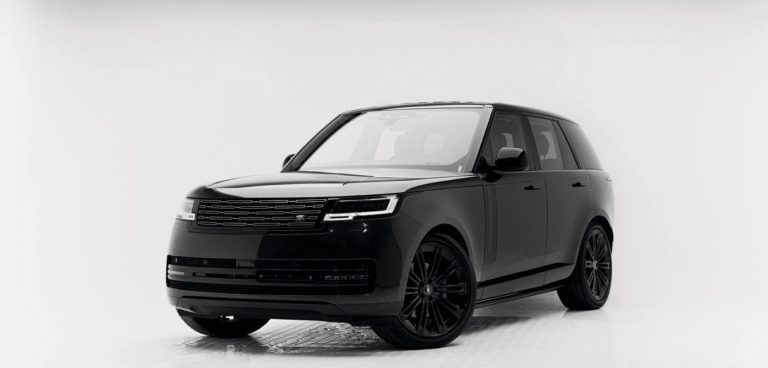
This is where vehicle choice matters. A luxury SUV can offer stronger cabin comfort and a more relaxed ride, while a high-end grand tourer may be better suited to longer road trips in milder weather. If you want a premium SUV option for year-round driving comfort, your live Range Rover rental Dubai page fits naturally here.
Best Months for Luxury and Performance Driving
For most visitors, the best time to enjoy Dubai climate driving conditions is from November through March. These months offer pleasant daytime temperatures, better comfort, and more flexibility for longer routes. Official Dubai travel information supports this seasonal pattern, with winter being the most popular period for comfortable exploration.
This is also the best time to explore coastal roads, business districts, and longer highway routes between emirates. Drivers who want sharper handling and a more engaging performance feel may prefer a sports model during these months, which makes your live Porsche rental Dubai page a strong internal match.
Route Planning by Time of Day
Timing matters almost as much as the season. In hotter months, early morning and post-sunset drives are usually the most comfortable. In winter, drivers have much more flexibility, although lighter traffic still makes morning and late afternoon especially enjoyable.
Your draft also notes that weekend mornings tend to be quieter and that mid-afternoon periods can sometimes reduce congestion. That kind of planning can make the difference between a stressful drive and a premium experience.
Roads That Work Best in Different Conditions
Dubai and the surrounding Emirates offer several distinct route types. Urban skyline drives are ideal in cooler hours, while longer intercity highways are better when visibility is clear and traffic is lighter. Visit Dubai’s transport guidance also emphasizes how easily visitors can move across the city and between key destinations.
For drivers staying in one of the city’s most popular visitor areas, your live supercar hire Dubai Marina page is another good internal link. It connects climate-aware driving with a high-intent location page.
Booking Convenience and Flexibility
Many visitors want the experience of a premium car without unnecessary friction. Your article mentions zero-deposit rental interest, and that is a strong booking angle for this topic. Your live rent car without deposit in Dubai page fits very naturally here.
This is especially useful for travelers who want to plan around weather and timing without adding more complexity to the rental process.
Practical Tips for Visitors
Visitors should always check the driving requirements for their nationality before booking. Your draft notes that permit and license rules can vary, and Dubai’s official travel guidance similarly encourages visitors to confirm practical requirements before driving around the city.
Hydration, route planning, and familiarity with the car are all more important in warmer months. Even in a premium vehicle, comfort improves a lot when the drive is timed well and the route matches the day’s conditions.
Conclusion
Dubai climate driving conditions play a major role in shaping the quality of the driving experience. From hot summer afternoons to ideal winter mornings, the season and time of day can influence comfort, route choice, and how much you enjoy the car itself.
With the right planning, the right vehicle, and a clear understanding of local conditions, Dubai becomes one of the most rewarding places in the world for luxury and performance driving. Explore our luxury car hire Dubai options and choose the car that suits your season, route, and style.
Frequently Asked Questions
What are the best months for driving high-performance cars in Dubai?
November through March are usually the best months. The weather is more comfortable, which makes long drives, scenic routes, and performance-focused driving much more enjoyable.
How does summer heat affect vehicle performance in Dubai?
Summer heat increases cooling demands, raises tire temperatures, and can reduce overall driving comfort during the day. That is why early morning and evening drives are usually better in hotter months.
Is winter the best season for luxury driving in Dubai?
Yes, winter is generally the most comfortable season for luxury and performance driving in Dubai. The milder weather makes city routes, coastal roads, and longer highway drives more enjoyable.
What time of day is best for driving in Dubai during summer?
Early morning and after sunset are usually the best times. These periods offer lower temperatures, better comfort, and a more relaxed driving experience.
Are Dubai roads good for premium and performance cars?
Yes, Dubai is known for wide highways, smooth road surfaces, and modern infrastructure, which makes it one of the best cities for premium and performance driving.
Can tourists rent luxury cars in Dubai for seasonal driving experiences?
Yes, tourists can rent luxury cars in Dubai as long as they meet the required document and license conditions. Many visitors plan their rentals around the cooler months for the best experience.
Is a no-deposit rental option available in Dubai?
Yes, selected cars may be available with no deposit, depending on the vehicle, rental duration, and booking approval.
Which type of car is best for Dubai climate driving conditions?
That depends on the season and your route. Luxury SUVs are excellent for comfort in hotter conditions, while sports and grand touring cars are especially enjoyable during the cooler months.